
The Laryngeal Cancer Danger Lurks in the Younger GenerationTake Voice Hoarseness Seriously
The Laryngeal Cancer Danger Lurks in the Younger Generation Take Voice Hoarseness Seriously
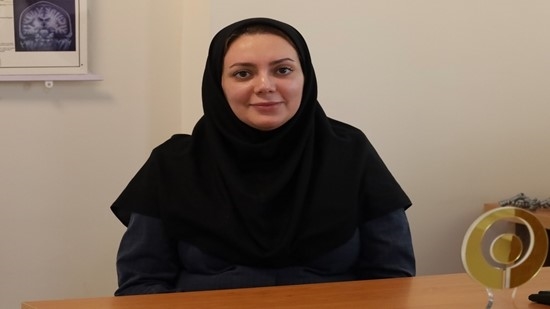
A faculty member of the Speech Therapy Department warns about rising risk factors for laryngeal cancer in the community and emphasizes that persistent hoarseness for more than two weeks can be a serious warning sign, and ignoring it may squander the precious opportunity for early detection.
According to the university’s Web News, Dr. Arezoo Hasandvand, a faculty member in the Speech Therapy Education Department at the University of Social Welfare and Rehabilitation Sciences, pointed to lifestyle changes in industrial societies. She stated that with global aging and moving away from healthy living, we are witnessing an increase in certain diseases, including laryngeal cancer. This cancer accounts for about 30% of head and neck malignancies, and studies estimate its prevalence in Iran at around 14%.
She identified environmental factors—including occupational pollutants such as asbestos and hydrocarbons, unhealthy diet and frequent consumption of fast food, chronic gastroesophageal reflux, and genetic predispositions—as among the main causes of the disease. She added that tobacco and alcohol use, which used to be more common among older men, has today become a recreational behavior among the younger generation, both women and men, posing a serious warning for public health.
Not every hoarseness equals cancer, but it is a red flag. This university faculty member emphasized the need to raise public awareness about changes in the voice: if hoarseness lasts more than two weeks and there is no clear cause, such as a cold, it should be considered a red flag. Of course, not all hoarseness indicates cancer, and many are due to muscular disorders, but accurate diagnosis is only possible by a specialist.
Technology in the Service of Early Detection. Dr. Hasanvand, referring to the importance of modern diagnostic tools, said: Many people are unaware of the possibility of direct inspection of the larynx and its detailed examination. In equipped centers, a video stroboscopy device (video laryngoscopy) is used to assess laryngeal tissue and movements. This technology enables the identification of lesions, ulcers, or damage caused by stomach acid even before it becomes malignant, thereby paving the way for prevention.
From Prevention to Returning to Normal Life. He regarded the role of speech-language pathologists as highly key in two areas: prevention and rehabilitation after treatment. She added: Treatments such as laser surgery, chemotherapy, and radiotherapy may save a patient’s life, but they can seriously affect voice quality and the ability to swallow. At this stage, the rehabilitation team helps the patient return to normal life and the workplace by providing voice therapy exercises and safe swallowing training.
Dr. Hasanvand concluded with emphasis: Laryngeal cancer, if diagnosed early, is completely curable. Regular checkups for voice professionals, including teachers, readers, and singers, and close collaboration between speech pathologists and laryngeal fellows play an important role in preserving vocal identity and public health. She noted: with lifestyle changes and increased awareness, we can take an effective step in preventing this disease.

نظر دهید